

How to Repair Your Credit – Part Two
In our last post, we gave you the first three steps to repairing your credit. Let’s jump right in and continue…with one of the most involved steps in the process. It may take a little work, but with this helpful guide, it isn’t as difficult as you would think.
Dispute Errors on Your Credit Report
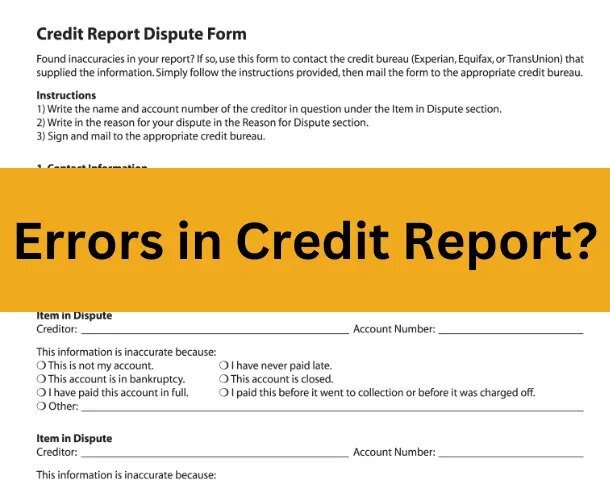
Once you’ve identified the potential mistakes on your credit report, you need to correct as many as possible. When you order your credit report, you usually receive instructions on how to file disputes. Disputes can be filed online, by phone, or by mail. Filing online is the most efficient method, but filing by mail has the advantage of leaving a paper trail you can follow. It also allows you to attach copies of supporting documentation such as cancelled checks, letters, or statements showing payments on the account.
Never send original materials to dispute elements on your credit reports; always make copies. When you send your dispute via certified mail – which is highly recommended – you also have proof of the date the dispute was mailed. This is important, because creditors have 30–45 days to respond to dispute filings.
If you’ll be filing multiple disputes, create a credit report dispute template on your computer that you can customize for various issues with different credit bureaus. Always include a copy of your credit report highlighting the entry you’re addressing. Even if there is more than one dispute you’d like to open, send each dispute individually and give some time between filings. Sending too many disputes at once could cause your petitions to be labeled frivolous.
You can also send disputes directly to the bank or business that listed the negative information. They are legally required to investigate your claim, just like the credit bureaus. If your dispute is successful, the credit bureaus will update your report, notify the other bureaus, and send you a revised copy. If your dispute is denied, your report will note that you disputed the claim, and you may add a personal statement to your credit report. While this won’t increase your credit score, it can help lenders better understand your situation.
Attack Past Due Accounts
More than anything else, settling past due accounts will improve your credit score. In fact, 35% of your credit score is based on payment history. Your first goal should be to salvage what is still recoverable. Bring accounts that are past due but not yet charged off, closed, or sent to collections current as quickly as possible.
If you are only 30 to 90 days behind, bring the account up to date immediately. These short lapses, while undesirable, can usually be explained and remedied with a letter and payment. Once an account becomes more than 180 days past due, it is typically charged off—a much more serious status.
You may still be able to resolve an account before charge-off by contacting the lender and agreeing to pay the total amount due, either in a lump sum or on an accelerated plan. Be prepared to honor the agreement. Even if an account has already been charged off, it is important to arrange payment and reduce the balance to zero. Although older charge-offs have less impact on your score, an outstanding balance continues to raise red flags for lenders.
For collections accounts, take a similar approach. You may be able to negotiate a reduced payoff or settlement. Once paid, these accounts remain on your report for seven years but will show a zero balance—far more favorable to future lenders.
Re-establish Your Credit Worthiness
If you’re able to save most or all of your current accounts, treat them carefully. Make small, manageable purchases and pay them off on the first billing cycle. If you must carry a balance, pay it off within two to three months.
If your accounts have been closed, begin re-establishing your credit. Retail cards or secured credit cards are often good starting points. Retail stores are sometimes more flexible in their approval process, while secured cards provide a safer option for lenders because they require a deposit equal to the credit limit.
As you demonstrate several months of on-time payments, you can begin looking at general-use credit cards…and eventually, when the time is right, you may be able to qualify for a mortgage lender for your new home!


