

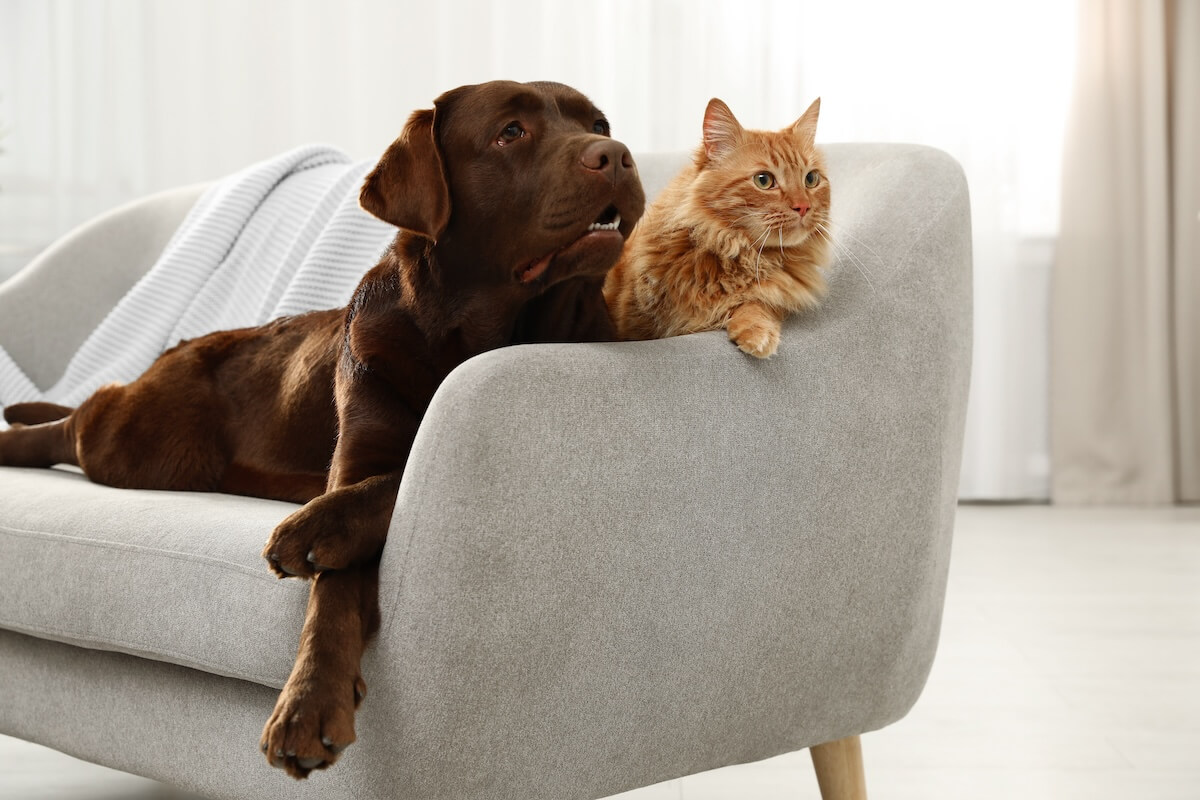
Pets and Furniture - Tips for Owners
In a recent post we talked about great ways to deodorize and clean up pet messes in your home, so now we’re moving along to one of the other pet issues that pops up frequently when you own a home. Pets add so much joy to our lives, but sometimes their behavior around our furniture can be more than a little annoying. Instead of raising your voice or chasing them with a rolled-up newspaper, try training them to behave properly with some of our handy hints.
If one of the biggest problems you have is keeping your pets off certain pieces of furniture, the key to success with this issue is consistency. If you don’t want your dog or cat on the couch, make sure you never invite him or her up on it, regardless of how much you may want a little company. Mixed signals will only confuse your pet.
If you’ve decided you want to keep your animals off the furniture, here are a few ways to discourage them from making themselves at home.
Pepper
Cats and dogs have a very keen sense of smell, and most are not fond of the scent of black pepper. Sprinkle a few shakes on dark-colored or patterned furniture to discourage them from jumping up. Pepper won’t stain or damage furniture and is completely natural.
Aluminum Foil
Foil is one of the most effective deterrents for training new pets. Most animals dislike its texture and sound. Place sheets of foil on off-limits surfaces. Plastic trash bags can work as an alternative for some pets.
Fabric Softener & Citrus Scents
Cats especially dislike the scent of fabric softener sheets. Rub one lightly over upholstery to discourage them. Lemon scents are also effective. Always test upholstery color fastness before applying any solution.
The cotton ball trick works with Old Spice Aftershave as well—another scent cats tend to avoid.
Hot Sauce
If pets chew or scratch furniture legs, lightly rub dark wood areas with hot sauce and buff carefully. Animals dislike the smell and will avoid the treated areas.
Water Bottles
A tried-and-true method. A brief spray of water when your pet jumps on furniture can quickly reinforce boundaries.
Managing Pet Hair
If pets are allowed on furniture, hair cleanup is inevitable. Use a vacuum with a stiff brush attachment, dryer sheets, damp rags, or packing tape to lift hair from upholstery.
Whether pets are allowed on the furniture or not, harmony is possible with a little effort and consistency.
If you’re building a new home and want pet-friendly flooring, layouts, and durable finishes, explore our new home floor plans or contact our team at Ernest Homes. We’re always here to help you create a home that works for every member of your family—pets included.


