

Your Home and How You Live – Psychology at Work!
Have you ever wondered what your house – and the way you live in it – says about you? Hidden clues to your personality are everywhere, from your front door color to what’s hiding under your bed. Let’s take a fun look at what others might notice about your home… and what it reveals about you.
A Colorful Welcome: What Your Front Door Says
First impressions matter, and your front door sets the tone for your entire home.
- Red door: You’re outgoing, energetic, and don’t worry too much about what others think.
- Green door: You value tradition, stability, and classic style.
- Blue door: You’re calm, adaptable, and easy to get along with.
- Black door: You tend to be reserved, practical, and appreciate a sense of order.
Before guests even step inside, your entry is already telling a story.
Décor and More: Personality in Your Design Choices
Your decorating style often reflects what you need most in your daily life.
Wall art: People who feel anxious or stressed sometimes gravitate toward inspirational quotes or soothing landscape art. These small “uplifts” help them reset during tough days.
Throw pillows: Even patterns and fabrics tell a tale:
- Bold florals: Confident, expressive, and not afraid to push boundaries in conversation.
- Polka dots: Playful and fun-loving.
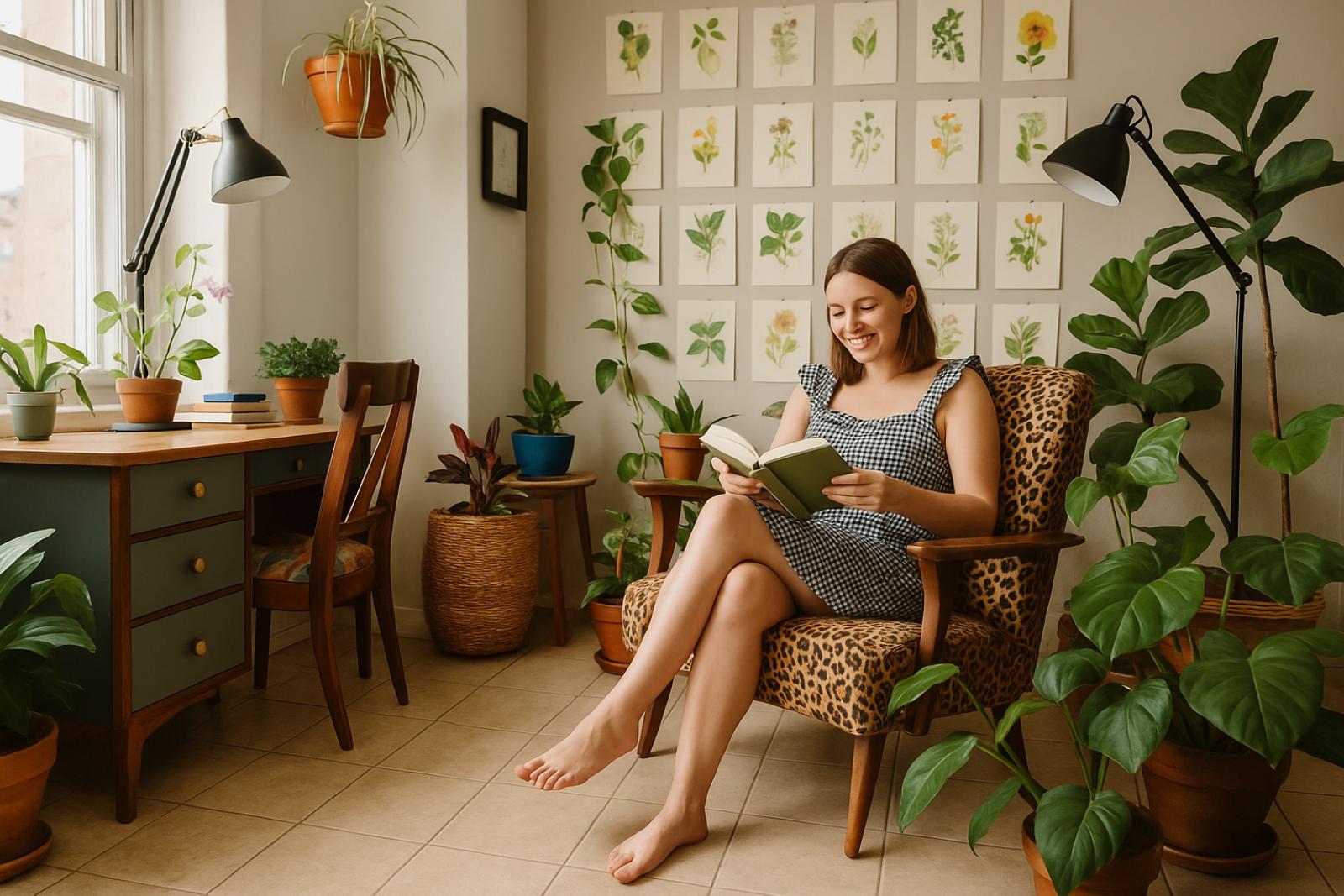
- Animal prints: Creative and willing to take risks.
- Geometrics: Organized, efficient, and often driven by a Type-A personality.
Seating: Firmer chairs and sofas are often preferred by people who like to negotiate and stand their ground. The softer the seating, the more likely you are to be dealing with someone who’s flexible and willing to compromise.
What Your Bedroom Says About Romance
Color has a powerful effect on mood, especially in the bedroom.
- Purple, red, or pink: These shades can encourage intimacy and a more active love life.
- White or beige-only palettes: Clean and calm, but they may take some of the spark out of the room.
And what about photos? Many millennials are completely comfortable filling their homes with pictures of themselves and their favorite memories. Older generations sometimes hesitate, worried that too many personal photos feel a bit “showy.”
Storage Tells All: Closets, Beds, and Drawers
Even the places you rarely show guests can reveal how you think and feel.
Under the bed: If there’s absolutely nothing stored there, it may be a sign of higher-than-average anxiety. People who struggle with worry often seek control in every corner of their environment – even spaces no one else sees. Most of us, however, use this area for storage boxes, shoes, or the occasional dust bunny.
Closets: Hanging on to suits from old jobs, bridesmaid dresses you’ll never wear again, or clothes that no longer fit? You might be more attached to the memories those items represent than to their actual usefulness. A smart solution: snap photos of sentimental pieces and donate the items to someone who can enjoy them now.
Sock drawer: Studies suggest that highly organized people often have surprisingly messy sock drawers. Why? They pour their time and energy into prioritizing bigger, more important areas of life and let the least-important drawer slide.
Your Daily Habits and How You Live
How you move through your home each day can also hint at your values and needs.
Messy vs. tidy rooms: Creative thinkers often feel more inspired in slightly messy or visually “busy” spaces. If you prefer clean, orderly rooms, you may lean toward generosity, structure, and clear routines.
Making the bed: People who make their bed every morning tend to report higher satisfaction with their jobs and are more likely to stick with regular exercise. The theory is that starting the day with a small, simple win helps set the tone for the rest of the day.
Long showers or baths: If you crave lingering in warm water, you may be feeling a bit lonely or in need of comfort. The warmth can act as a stand-in for human connection when life gets busy.
Books everywhere: A home filled with books and magazines sends a strong message about learning and curiosity. Research shows that children who grow up in homes with 100 or more books often read at a higher level than their peers, regardless of income or education level.
What Does Your Home Say About You?
Your home doesn’t need to be perfect to say something positive about you. It simply reflects your story – your habits, history, and hopes for the future. If you’re thinking about a new home that better fits the way you live, we’d love to help.
Explore Ernest Homes floor plans and communities in the Savannah and Coastal Georgia area, or contact us to learn more about finding a home that feels like the perfect fit for your lifestyle.


