

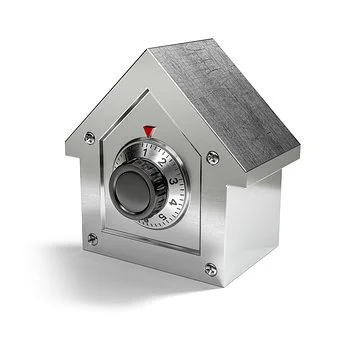
Is a Home Safe Right for You?
If you're like many homeowners, you probably have family photos tucked in a closet, heirloom jewelry on a dresser, legal papers in a desk drawer, emergency cash hidden somewhere creative, and maybe even a firearm stored in an unsecured spot. These items feel safe enough—until they're not. Fires, floods, theft, and unexpected emergencies happen without warning, and the valuables you treasure most can be destroyed or lost in an instant.
One simple solution can offer real peace of mind: a home safe. A properly chosen safe keeps your most important documents, heirlooms, and essentials secure and accessible when you need them most. Wondering if a home safe makes sense for your family? Here’s what to consider and what items are best stored inside.
Items That Belong in a Home Safe
Before choosing a safe, start by identifying what you need to protect. Many everyday items are better stored securely rather than left in the open or scattered throughout your home.
Insurance Documents
Your homeowners insurance paperwork is essential during an emergency. Store policy information, claim contacts, and an updated inventory of insured belongings in your safe so it’s easy to access if your home is damaged.
Personal Papers
Certain documents—passports, birth certificates, Social Security cards, marriage certificates—may be needed outside of bank hours. Keeping them securely at home ensures they’re available whenever you need them.
Legal Documents
Records like wills, powers of attorney, health directives, and other legal instructions should stay in a home safe. Banks may seal a safe-deposit box after a death is reported, which could make these documents temporarily inaccessible.
Financial and Tax Records
Deeds, titles, tax returns, banking statements, investment documents, and backup credit cards should be stored securely to prevent theft and identity fraud. If you’re preparing to sell a vehicle, keeping the title in your safe ensures it’s available at a moment’s notice.
Cash
Power outages and emergencies can disrupt access to ATMs and banks. Keeping a small reserve of emergency cash in your safe ensures you’re prepared for unexpected situations.
Photos, Home Movies & Digital Backups
Family photos degrade faster when exposed to light or humidity. Storing them in a cool, dark safe slows deterioration and protects them from fire or flood. For added security, scan important images and save them to an external drive kept inside the safe.
High-Value Items
When not in use, items like heirloom jewelry, luxury watches, collectibles, electronics, cameras, and valuable technology should be stored in a secure safe to prevent loss or theft.
Firearms
If you keep a firearm in your home, it must be secured in a gun safe at all times. Between 2008 and 2017, an unintentional shooting death occurred every 16 hours—making secure storage essential for household safety.
Keys
Keep spare keys for family vehicles, your home, outbuildings, and your bank safe-deposit box in your home safe. This helps prevent lockouts and protects against misuse.
Prescription Medications
High-risk or controlled medications should be locked away to prevent accidental ingestion, overdose, or misuse—especially in households with children or guests.
Would a Home Safe Benefit Your Family?
After reviewing this list, you may find that many of your most important belongings would be safer in a secure, fire-resistant location. If so, a home safe is a smart investment that offers everyday convenience and long-term protection.
In our next blog post, we’ll break down the different types of home safes—burglary, fire-resistant, data and media, gun safes, and more—so you can confidently choose the right one for your needs. Protecting your family’s irreplaceable items starts with the right information, and Ernest Homes is here to help.


