

Make Your Own Organic Weed Killers!
With growing concerns about the safety of chemical-based weed killers, many homeowners are searching for safer, natural alternatives to keep their yards looking great. The good news? There are several powerful, organic weed-control solutions already sitting in your pantry or laundry room. These methods are simple, effective, and much safer for kids, pets, and the environment.
For best results, apply natural weed killers during the warmest part of the day when the sun is strongest. Here are the most reliable DIY options.
White Distilled Vinegar
Vinegar is one of the most effective natural weed killers available. Its active ingredient — acetic acid — draws moisture out of plant leaves, causing weeds to wilt and die. Standard white vinegar (3–5% acetic acid) works well on young or shallow-rooted weeds. For tougher weeds, you can purchase horticultural vinegar with a higher acetic acid concentration.
Spray vinegar directly onto the weed using a stream setting to avoid hitting nearby grass or plants. Boost its effectiveness with one of these simple recipes:
- 1 gallon white vinegar + 1 cup salt + 1 tablespoon liquid dish soap
- 2 cups apple cider vinegar + ½ cup Epsom salt
Rubbing Alcohol
Rubbing alcohol works similarly to vinegar by removing moisture from plant leaves. Mix 2 tablespoons of rubbing alcohol with 1 quart of water and apply directly to the weeds. Take care not to spray desired plants.
Unexpected Weed Killers: Vodka or Gin
Believe it or not, vodka and gin also work as natural weed killers — especially on broadleaf weeds like dandelions, plantain, and chickweed. Pour the alcohol into a spray bottle, apply directly, and watch weeds dry out within a day or two.
Lemon Juice
Lemon juice’s natural acidity makes it a great weed killer. Pour straight lemon juice into a spray bottle and apply directly to unwanted plants for fast results.
Sugar
Sugar can be surprisingly effective for eliminating stubborn weed trees, bushes, or vines. When sugar is applied heavily at the plant’s base, it disrupts soil balance and slows weed growth. If sugar attracts pests, mix in chili powder to keep critters away.
Removing Weeds from Cracks in Concrete
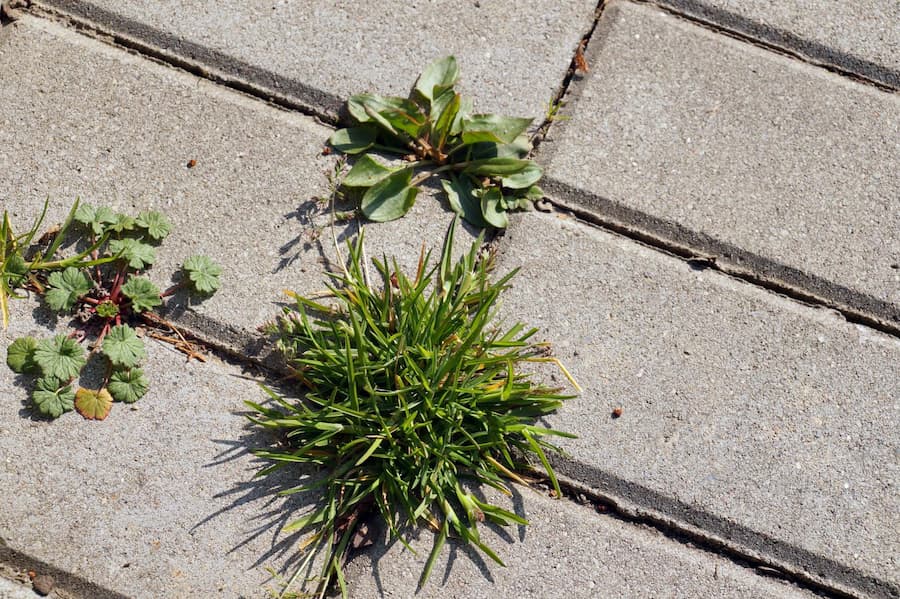
Weeds growing between sidewalk stones or driveway cracks can be stubborn, but they’re easy to remove with a simple boiling-water method. Bring a kettle of water to a boil, add 1–2 tablespoons of salt, and carefully pour the mixture directly onto the weeds. Baking soda can also be used in place of salt for a similar effect.
Controlling Weed Growth in Larger Areas
If your garden beds are overwhelmed, smothering weeds with newspaper is an excellent eco-friendly solution. Cover the area with several layers of newspaper, wet it thoroughly, and top with mulch. This eliminates sunlight, kills weeds, and helps improve soil conditions.
Save Your Lawn — Naturally
For lawn-wide weed issues, consider using corn gluten meal, a natural product that prevents weed seeds from sprouting. It’s effective against crabgrass, dandelions, curly dock, knotweed, and more — all while supporting healthy lawn growth.
By choosing organic weed-control methods, you protect your lawn, your family, and the local environment. These safe DIY solutions make it easy to maintain a beautiful yard without harsh chemicals.


