

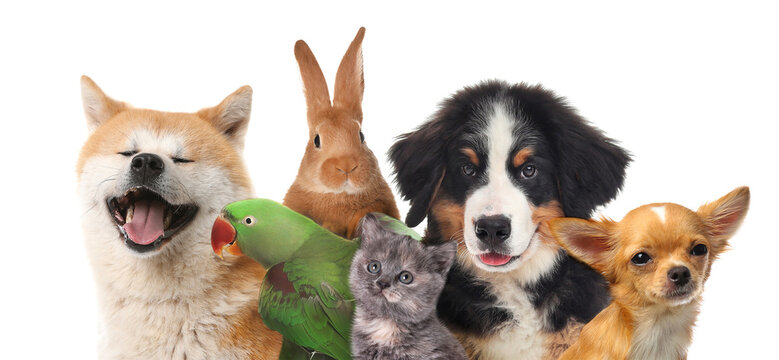
Summer Threats to Your Pet’s Health
Summer Threats to Your Pet’s Health
Updated January 2025
Warm weather brings sunshine, travel, and plenty of outdoor fun — but it also brings hidden dangers for your pets. Whether you’re grilling, hiking, or lounging in the backyard, it’s important to protect your furry family members from summertime hazards. Here are the most common warm-weather threats and how to keep your pets safe all season long.
1. Insects and Pests
Ticks, fleas, and mosquitoes thrive in summer and can carry serious diseases such as Lyme disease or heartworm.
Tips to stay safe:
- Perform daily tick checks when your pet comes inside
- Use vet-approved flea and tick prevention
- Remove ticks safely and save them for your vet if needed
Bees and wasps are also more active during summer. Most stings cause minor swelling, but if swelling spreads rapidly or affects breathing, contact your veterinarian immediately.
2. Heatstroke & Dehydration
Pets can’t cool down the way humans do. Heatstroke can be life-threatening, especially for short-nosed breeds, dark-colored pets, overweight pets, and senior animals.
Common symptoms include:
- Lethargy or lack of energy
- Dry or pale gums
- Excessive panting
- Reduced urination
- Loose, non-elastic skin
3. Hot Surfaces
Sidewalks, sand, decks, and asphalt can reach dangerous temperatures in summer. If it’s too hot for your hand, it’s too hot for your pet’s paws. Walk pets early in the morning or later in the evening to avoid burns.
4. Car Safety
Cars heat up quickly. A parked vehicle can exceed 120°F in just minutes, even with the windows cracked. If your errand won’t allow your pet to come inside with you, it’s safest to leave them at home.
5. Unsafe Summer Foods
Many popular summer foods are unsafe for pets, including garlic, onions, seasoned meats, corn on the cob, chocolate, and heavily marinated or boneless grilled meats. Stick to pet-safe treats or plain, unseasoned meats in small portions.
6. Fireworks, Crowds, and Stress
Summer holidays often bring fireworks and large gatherings that can frighten pets. Keep them indoors during noisy events and create a calm, quiet space to help reduce anxiety.
7. Grooming Mistakes
Summer grooming is important, but shaving some breeds too closely can remove natural protection from sunburn and heat. Trim rather than shave unless your veterinarian recommends otherwise. Regular brushing helps remove loose fur and prevents matting.
Your pets rely on you to help them navigate the challenges of warmer weather. With a little planning and awareness, you can keep them happy, healthy, and safe all summer long.


