

Aging in Place: How to Design a Home That Works for You Long-Term
Aging in Place: How to Design a Home That Works for You Long-Term
When most people hear “aging in place,” they picture something far off in the future—or assume it doesn’t apply to them yet. But the reality is, the best time to think about how your home will function long-term is when you’re building it.
This isn’t about designing a “retirement home.” It’s about making smart decisions now so your home continues to work for you over time—without needing major changes later.
At Ernest Homes, we see this come up more and more with buyers who simply want a home that feels easy to live in—not just now, but years down the road.
Start With the Layout
If you’re thinking long-term, layout matters more than anything else.
Ideally, a one-story home gives you the most flexibility. But if you prefer a two-story plan, having the primary suite on the main level is a must. It gives you the option to live primarily on one floor if you ever need to.
It’s one of those decisions that doesn’t really affect your day-to-day life now—but can make a huge difference later.
Think About How You Move Through the Home
Some of the most important decisions aren’t flashy—they’re the ones that affect how your home feels to move through every day.
Wider doorways and slightly more open hallways can make a home feel more comfortable and functional overall. Even if you never need mobility assistance, the extra space just makes things easier.
The entry to your home is another big one that often gets overlooked. Step-free or low-step entries make everyday life simpler—whether you’re carrying groceries, managing kids, or just coming in during bad weather.
Plan Ahead in the Bathroom
Bathrooms are one of the most important spaces to think through when you’re building.
Curbless showers are becoming more popular—and for good reason. They’re easier to step into, easier to clean, and create a clean, seamless look.
If you’re not installing grab bars now, it’s still a smart idea to plan for them. At Ernest Homes, we install blocking in the primary shower as a standard feature. That way, if you ever want to add grab bars later, the support is already there.
It’s a small detail during construction that can make a big difference later on.
Make Everyday Tasks Easier
Some of the best design decisions are the ones you don’t think about after you move in—but you benefit from them every day.
Lever-style door handles are easier to use than traditional knobs. Rocker-style light switches are simpler than small toggle switches. These small upgrades make a home more user-friendly without changing the look or feel.
Lighting is another area where a little extra thought goes a long way. Well-lit hallways, kitchens, and entry points make a home feel more comfortable and easier to move through at any time of day.
Don’t Overlook the Kitchen
The kitchen is one of the most used spaces in any home, so it should be designed with function in mind.
Think about how you use the space day to day. Are you constantly bending, reaching, or stretching to access things?
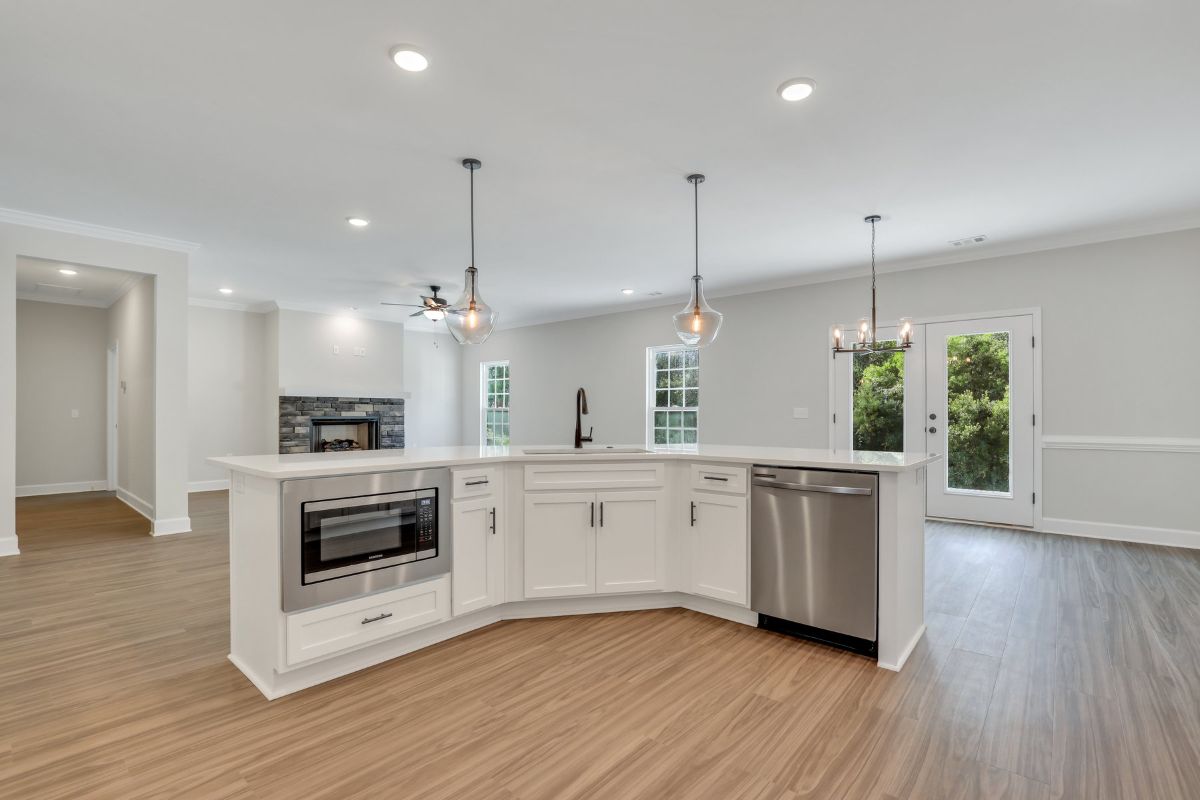
A common example is the microwave. It’s often installed above the range as a standard, but that placement isn’t always the most convenient long-term. Bringing appliances down to a more comfortable height can make everyday use much easier.
Small adjustments like that don’t seem like a big deal now—but over time, they add up.
Consider Maintenance and Materials
One of the most overlooked parts of long-term home design is maintenance.
It’s worth asking yourself: how much upkeep do you really want to deal with over time?
For example, tile can look great—but do you want to clean grout lines forever? Choosing materials that are easier to maintain can save you time and effort year after year.
The same goes for your yard and exterior. Lower-maintenance landscaping and smaller yards can make a home easier to care for without sacrificing curb appeal.
Think About the Details Now—So You Don’t Have to Later
Designing a home that works long-term isn’t about overthinking everything or planning for worst-case scenarios. It’s about making practical choices now so your home continues to support your lifestyle as it changes.
The goal is simple: build a home that still feels comfortable and easy to live in years from now.
If you’re thinking about building in Richmond Hill, Guyton, or the surrounding Savannah area, our team at Ernest Homes is always happy to walk through these options with you and help you create a home that truly works for you—now and in the future. Contact us today.


