

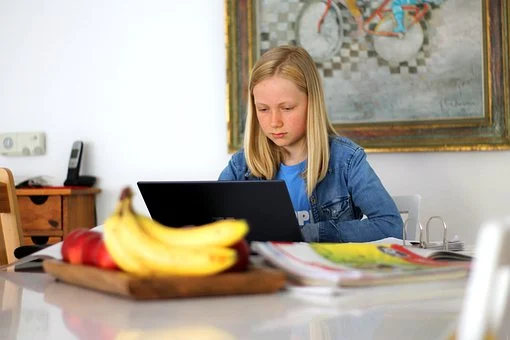
Is Your Home Ready for Distance Learning?
The new school year has begun and, for many families, it means continuing distance learning at home. Last spring may have felt like a temporary solution, but now is the perfect time to create a more intentional, kid-friendly setup. If your first version of “school at home” was thrown together on the fly, you’re not alone. The team at Ernest Homes understands the challenge, and we have practical ideas to help you take your distance learning space to the next level.
Create a Smart Distance Learning Station
The first question is always, “Where should we set up the distance learning station?” The good news is that it can go almost anywhere in your home—as long as the space supports focus, comfort, and organization.
If your child already has a desk or study area in their bedroom, start there. Otherwise, look for a spot with a flat, sturdy surface for writing, comfortable seating, and plenty of light. A place where schoolwork can stay set up between sessions is ideal, but not essential.
Questions to Help You Choose the Best Spot
- Do we need to upgrade our Internet? If your connection is slow, drops often, or buffers during video calls, contact your provider to review your plan. A stronger connection can make online learning far less frustrating.
- Is there an electrical outlet nearby? Laptops and tablets need regular charging. If an outlet isn’t close, make sure devices are fully charged each morning or use a safe extension cord arranged out of walking paths.
- Is the area away from distractions? Help your child focus by keeping the space separate from televisions, toys, pets, and high-traffic areas. Noise-cancelling headphones can also be a big help in busy households.
- Is there enough room to spread out? A cramped surface can make kids feel frustrated and disorganized. Aim for space for a device, notebook, and a few supplies without constant shuffling.
- Will an adult be nearby? Younger students often need help with instructions or tech issues. If adults are also working from home, consider rotating “school support” duties between parents, grandparents, or older siblings when possible.
- Is this spot used heavily for something else? If your small kitchen table has to be cleared for every meal, it might not be the best long-term solution. Think creatively: a coffee table with a floor cushion, the formal dining room table, a bar stool at the kitchen island, or even a small folding table can work well. Lap desks or an outdoor setup on the porch or patio are great options, too.
Build Breaks and Movement Into the Day
Kids learn best when their brains and bodies get regular rest. Schedule morning and afternoon snack breaks plus a lunch break, and encourage your child to physically leave the learning area during that time. A quick walk around the block, a few minutes of stretching, or playtime in the yard can make a big difference in mood and focus.
You can also rotate locations occasionally to break up the routine. Let your child read in a hammock, listen to a lesson while curled up in a comfy chair, or work on math problems on the living room floor. Changing scenery (while keeping screens and supplies organized) helps remind them that learning can happen anywhere.
Stick to a Consistent School-Day Routine
Even when school happens at home, a predictable schedule is reassuring. Try to keep wake-up time, breakfast, and lunch close to what they would be on a traditional school day. Encourage your child to get fully dressed instead of doing school in pajamas—this simple habit sends the signal that it’s time to focus, not lounge.
If you have more than one child learning at home, give each child some personal space. Separating desks or work areas can reduce bickering and help them concentrate on their own tasks.
Use Online Resources to Enrich Learning
There are many free tools that can supplement what your child’s teacher provides. Look for live-streamed classes, virtual field trips, and educational games that match your child’s interests. A few fun starting points include:
- Story time and read-alouds on kid-friendly YouTube channels.
- National Geographic Kids for animals, science, and geography.
- PBS Kids for educational games and videos tied to popular characters.
These resources are a great way to keep kids engaged while expanding their knowledge beyond standard assignments.
Designing a Home That Supports Learning
As your family’s needs change, you may start dreaming about a home with a dedicated study nook, flex room, or loft for homework and projects. Many Ernest Homes floor plans include versatile spaces that work beautifully as learning zones, home offices, or creative studios.
If you’re thinking about a new home that fits school, work, and life a little better, contact the Ernest Homes team. We’d love to help you explore plans and communities that make distance learning—and everyday living—more comfortable and convenient for your whole family.


