

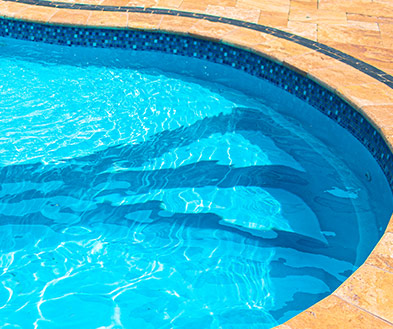
To Pool or Not to Pool…That Is the Question!
Editor’s Note (Updated December 2025): Pool costs and maintenance information in this article have been updated to reflect current 2025 pricing and industry data.
When it’s hot outside, many people who don’t already have a pool start thinking about getting one. This time of year, we hear a lot of potential homebuyers asking whether installing a pool is a smart choice. The truth is simple: the right answer depends entirely on you and your family’s lifestyle. Pools offer great benefits, but they also come with responsibilities — so it’s worth taking time to weigh both sides before taking the plunge.
Community Pools vs. Private Pools
If you live in a planned development with an amenities center, you may already have access to a well-maintained, resident-only pool — making a private pool unnecessary. The same applies if you live near a public pool that is clean, safe, and not overly crowded.
If those options aren’t available, here are several important factors to think through before investing in your own pool:
Cost
Pools are expensive to purchase, install, and maintain. As of 2025, the cost of an in-ground pool has risen significantly. A basic in-ground swimming pool with minimal landscaping now typically starts around $40,000–$50,000. The national average sits near $66,000, with many projects ranging between $44,500 and $87,500. More elaborate pools customized with upgraded finishes, spas, slides, or cabanas can easily exceed $100,000–$150,000+.
Smaller pools, such as those from Endless Pools, can still offer a more economical option depending on size and configuration. Current pricing typically begins around $23,000–$30,000.
Maintenance costs also add up. While some owners spend under $100 per month, most 2025 pool owners average $150–$250 monthly for chemicals, cleaning, and service. A helpful breakdown is available here.
Above-ground pools remain a more affordable option in 2025. Kits generally run between $1,600 and $7,500, depending on size and quality. However, required decking or safety additions can add several thousand dollars, and ongoing maintenance costs are not dramatically lower than in-ground pools.
Ground Conditions
Evaluate the area where the pool would go. Is the ground rocky? Sloped? Wet? Soil type and terrain greatly affect installation difficulty, especially for in-ground pools.
Insurance
Pools are considered an “attractive nuisance” by most insurers. Check with your agent to verify coverage. Many policies include at least $100,000 in liability protection, but pool owners are often advised to increase this to $300,000–$500,000.
Local Regulations
Each city defines “pools” differently, often based on size and depth. If your planned pool meets that definition, you must comply with local safety codes — which may require fencing, locking gates, decks, alarms, or other safety features.
Safety Concerns
Pools require vigilant supervision. Unfortunately, accidents involving children occur every year. Other risks include diving injuries, slips, and swimming while under the influence. For some families, the added responsibility outweighs the benefits.
Time and Lifestyle
Consider realistic usage. If your children would swim daily or you plan to exercise four nights a week, a pool may be worth it. But if your family travels often, works long hours, or simply doesn’t swim much, the investment may not be practical.
Home Resale Value
Contrary to popular belief, pools do not always increase home value. Some buyers love them — others will not even consider a home with a pool. Don’t install a pool solely for resale value. Choose a pool only if you will genuinely enjoy and use it.
As you can see, there are many factors to consider before deciding whether a pool is the right investment. The best decision is the one that fits your budget, lifestyle, safety comfort level, and long-term plans for your home.
If you’re dreaming of warm-weather fun but aren’t sure a private pool is right for you, remember that many of our communities include neighborhood pools and amenity centers. Explore our new home communities and available floor plans to see where a shared pool is already part of the lifestyle.
Still have questions about new-home living, amenities, or building with Ernest Homes? We’re happy to help. Contact our team anytime — we’re here to help you find the home (and backyard) that fits your family best.


